Skip to product information
1 of 1

Chomping at the Lit

The Hitchhiker by Lucille Fletcher—Radio Play Drama Analysis

The Hitchhiker by Lucille Fletcher—Radio Play Drama Analysis

Regular price $2.99 USD
Regular price Sale price $2.99 USD
Sale Sold out

Description

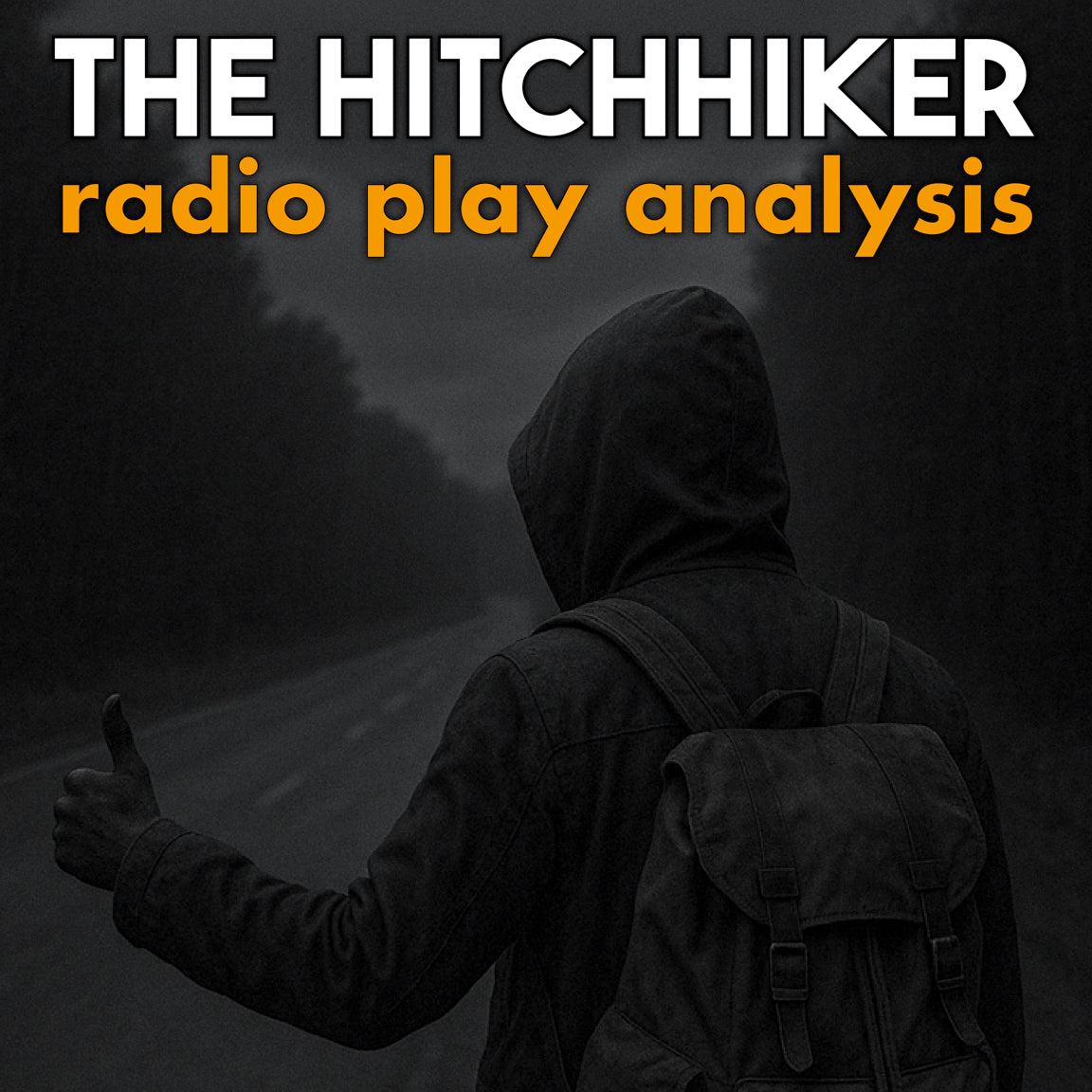
In this lesson, students read and analyze the script of Lucille Fletcher’s radio play The Hitchhiker (also spelled The Hitch-Hiker), a suspenseful and atmospheric work that lends itself perfectly to both literary and media analysis.

Students first engage with the written script, then listen to the original radio drama as performed on The Orson Welles Show to explore the powerful impact of music, sound effects, pacing, and silence in storytelling. They also compare the radio version to Rod Serling’s adaptation for The Twilight Zone, sparking rich discussion about adaptation choices—especially the gender swap of the main character, which adds an extra layer of analysis.

As students move through this eerie and ominous tale, they are encouraged to question reality, suspense, and point of view, asking themselves what the hitchhiker truly represents and whether he is real at all. The lesson blends close reading, listening, viewing, and reflection to create a highly engaging experience.

This lesson includes background information on Lucille Fletcher, an overview of the history of radio dramas and radio plays, targeted academic vocabulary, and a review of key literary devices such as foreshadowing, suspense, flashback, dialogue, and mood. Students complete a before-reading journal prompt, in-depth literary analysis questions for the script, and media analysis questions comparing the audio drama to the television adaptation. A reflection journal prompt helps students synthesize their learning after completing the lesson. Answer keys are included for all activities.

You’ll receive a teacher guide and answer keys in PDF format, student activity pages in both editable Word and print-ready PDF formats, and a PowerPoint presentation containing background information and vocabulary to support instruction.

This lesson supports students as they compare and contrast texts across different mediums, analyze how production choices affect meaning, examine how dialogue and incidents drive plot and character development, determine theme and central ideas, cite strong textual evidence, and explore how point of view and dramatic irony create suspense. Perfect for middle school and high school ELA, this resource offers a rigorous and memorable approach to drama, media analysis, and storytelling.
View full details

Description

In this lesson, students read and analyze the script of Lucille Fletcher’s radio play The Hitchhiker (also spelled The Hitch-Hiker), a suspenseful and atmospheric work that lends itself perfectly to both literary and media analysis.

Students first engage with the written script, then listen to the original radio drama as performed on The Orson Welles Show to explore the powerful impact of music, sound effects, pacing, and silence in storytelling. They also compare the radio version to Rod Serling’s adaptation for The Twilight Zone, sparking rich discussion about adaptation choices—especially the gender swap of the main character, which adds an extra layer of analysis.

As students move through this eerie and ominous tale, they are encouraged to question reality, suspense, and point of view, asking themselves what the hitchhiker truly represents and whether he is real at all. The lesson blends close reading, listening, viewing, and reflection to create a highly engaging experience.

This lesson includes background information on Lucille Fletcher, an overview of the history of radio dramas and radio plays, targeted academic vocabulary, and a review of key literary devices such as foreshadowing, suspense, flashback, dialogue, and mood. Students complete a before-reading journal prompt, in-depth literary analysis questions for the script, and media analysis questions comparing the audio drama to the television adaptation. A reflection journal prompt helps students synthesize their learning after completing the lesson. Answer keys are included for all activities.

You’ll receive a teacher guide and answer keys in PDF format, student activity pages in both editable Word and print-ready PDF formats, and a PowerPoint presentation containing background information and vocabulary to support instruction.

This lesson supports students as they compare and contrast texts across different mediums, analyze how production choices affect meaning, examine how dialogue and incidents drive plot and character development, determine theme and central ideas, cite strong textual evidence, and explore how point of view and dramatic irony create suspense. Perfect for middle school and high school ELA, this resource offers a rigorous and memorable approach to drama, media analysis, and storytelling.